All Categories
Featured
Table of Contents
Shift bidding enables agents to express preferences for readily available shift, often based on requirements like seniority and efficiency. It's an excellent way to engage groups while offering them more control over their work schedules. This is specifically helpful in circumstances like seasonal or holiday staffing, hard-to-fill, or premium shifts. Rather than appointing shifts manually, managers can open them up for bidding, creating a more transparent procedure.
Achieving Financial Sustainability for Today's StorefrontsAutomated scheduling uses algorithms to stabilize factors like projection need, labor laws, representative availability, labor laws, and staffing expenses. Instead of constructing schedules from scratch, labor force organizers can generate optimized schedules in just a couple of clicks, then tweak them as needed. It's a powerful way to lower manual labor and support more tactical preparation.
That's why real-time alerts are a must. Whether it's a new shift project or an approved time-off request, prompt notices help keep everybody on the same page. They likewise decrease no-shows and prevent miscommunication. As more contact centers shift to hybrid or completely remote groups, scheduling tools need to evolve to support a distributed workforce.
Understanding Business Lending Standards in 2026
Agents can also view and manage their schedules on the go, assisting everyone stay linked and aligned. As your company grows, your workforce scheduling system need to evolve with your company needs. Investing in the right workforce scheduling software application can enhance service levels, minimize costs, and help you build a more engaged workforce.
Curious how these functions would work for your team? See how Element's scheduling abilities balance modern-day labor force demands with simple and easy functionality.
Rather than thinking how numerous workers you'll need, use real data to make educated scheduling decisions. By adjusting the start time of night shifts on Fridays and Saturdays, they decreased stress on the cooking area and improved service speed.
Meeting Updated Business Loan Requirements in 2026
Workers appreciate having some control over their schedules, and providing versatility can increase job satisfaction. A hotel chain enabled workers to set their preferred shifts within a turning schedule.
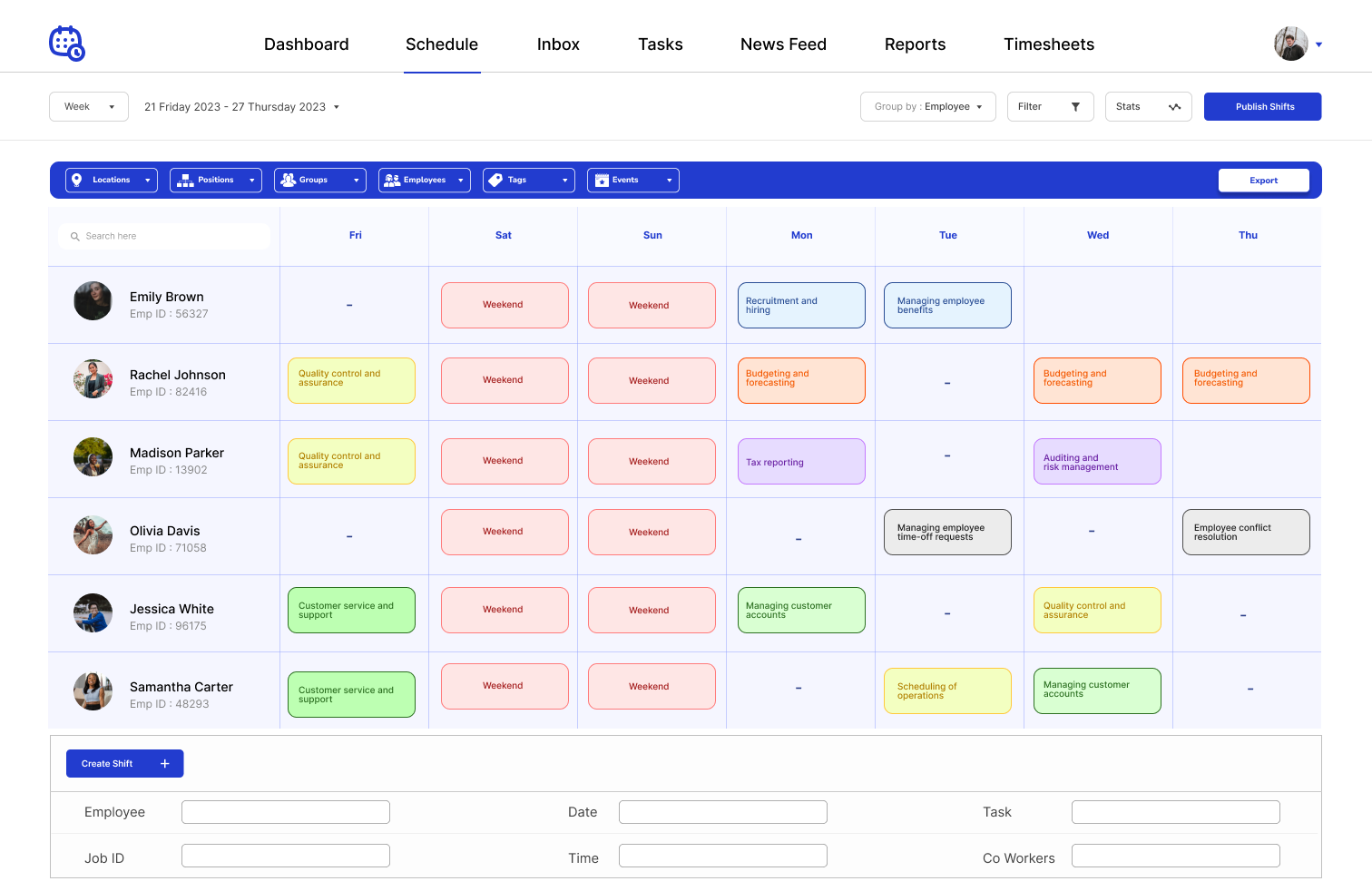
Manual scheduling is not just lengthy however also vulnerable to errors. Scheduling software application like ShiftForce takes the uncertainty out of labor management by instantly developing enhanced schedules based on need, schedule, and compliance elements.
The system ensured that knowledgeable staff were always coupled with new hires, enhancing consumer service and training effectiveness. Staff members require to understand their schedules in advance and have a way to quickly access updates. Miscommunication causes disappointment and no-shows. A restaurant supervisor switched from a printed schedule to a mobile scheduling app.
Keeping labor expenses under control while staying certified with labor laws is a balancing act. Track overtime, make sure breaks are set up, and remain on top of regional labor policies. A factory decreased unnecessary overtime expenses by setting an automatic alert when staff members approached their weekly hour limits. This permitted supervisors to change schedules before overtime ended up being a problem.
They know what's working and what's not. Frequently ask for input and make scheduling adjustments based on their needs where possible. A fast-casual dining establishment discovered a boost in turnover. After surveying employees, they discovered that unforeseeable schedules were the greatest aggravation. By executing more consistent shift rotations, they had the ability to lower turnover.
Linking Staff Productivity to Operational Success
Reliable staff member scheduling is critical to functional success across numerous markets, such as health care, higher education, and manufacturing. Staffing needs can shift rapidly, making reliability critical. While standard scheduling approaches are prone to errors and ineffectiveness, contemporary staff member scheduling services like TruPay's Staff member Scheduling Software offer a structured method that enhances shifts, ensures compliance, and saves important time.
A constant technique implies all managers follow the very same actions for scheduling, making it easier to track staffing requirements, screen overtime, and projection future needs accurately. When everybody uses the same scheduling template or software application, ensuring compliance with labor laws and organizational policies is simpler. To execute this practice, create a scheduling policy document that lays out finest practices, supervisor expectations, and key due dates.
It also enables HR departments to generate trusted reports for examining patterns in staffing needs, therefore improving decision-making. For organizations looking to maintain top talent and enhance job fulfillment, versatile scheduling is vital. Allowing employees to swap shifts, demand time off, or work non-traditional hours when possible can cause a healthier work-life balance, which is crucial in markets with high turnover rates, such as health care.

Latest Posts
Meeting Updated Business Loan Criteria in 2026
Mastering Retail Inventory Management to Lower Costs
How Operational Automation Drives Long-term Financial Sustainability